
Educating the Next Generation of Scientists and Pursuing a Full Spectrum of Cutting-Edge Research


News
-
Source:
https://www.cuimc.columbia.edu/news/two-vp-s-scientists-elected-national-academy-sciencesMay 15, 2024Two Biochemistry professors—Oliver Hobert and Arthur G. Palmer III—were elected to the U.S. National Academy of Sciences, which recognizes distinguished and continuing achievements in research.
- September 15, 2023
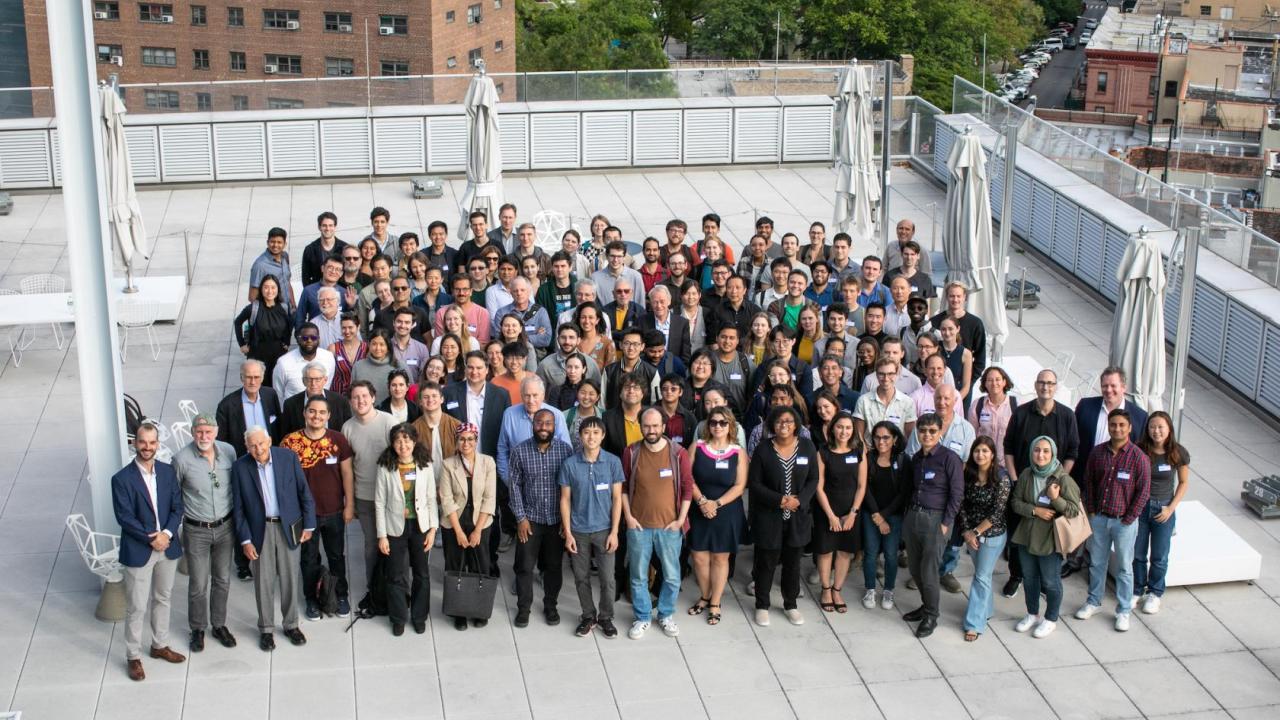
Our retreat took place in the Zuckerman Institute and featured presentations of the most cutting-edge developments in our department, a keynote lecture from Charles Zuker, plus a rooftop reception.
- March 29, 2023
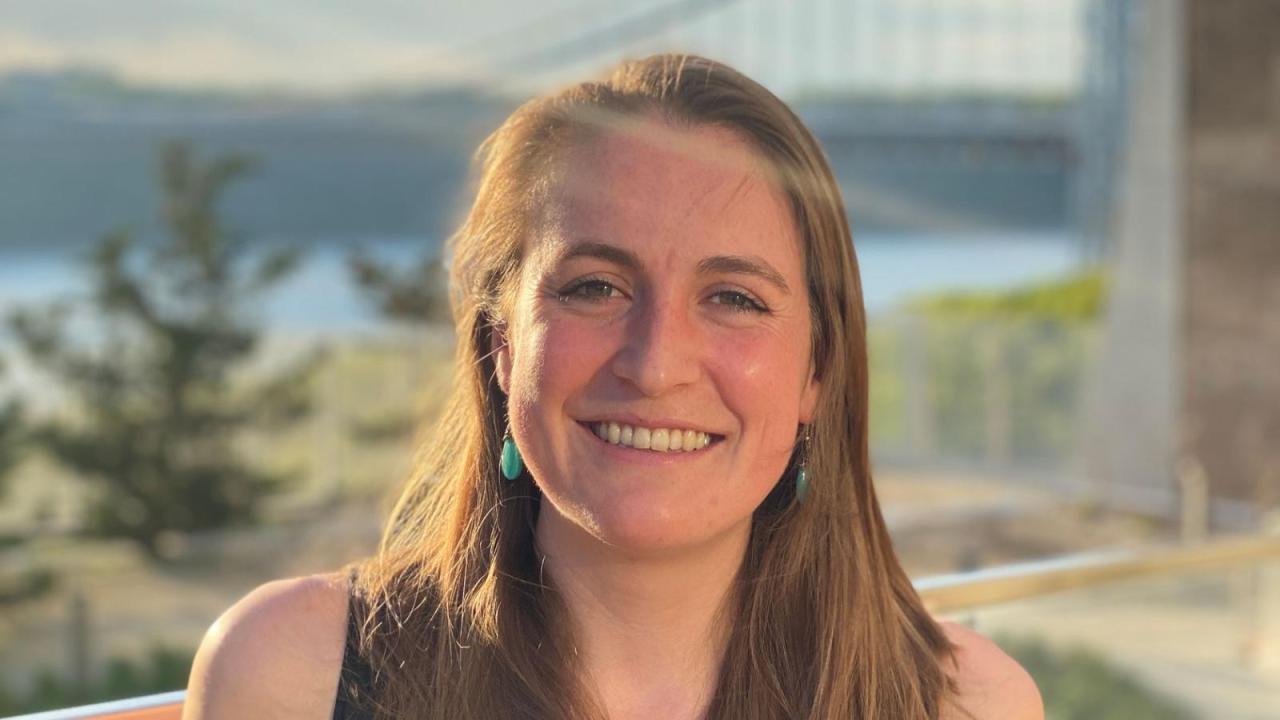
Dr. Sanne Klompe and her PhD advisor Dr. Sam Sternberg have cause for celebration, as Klompe has completed a remarkable clean sweep of graduate student awards.
- March 3, 2023
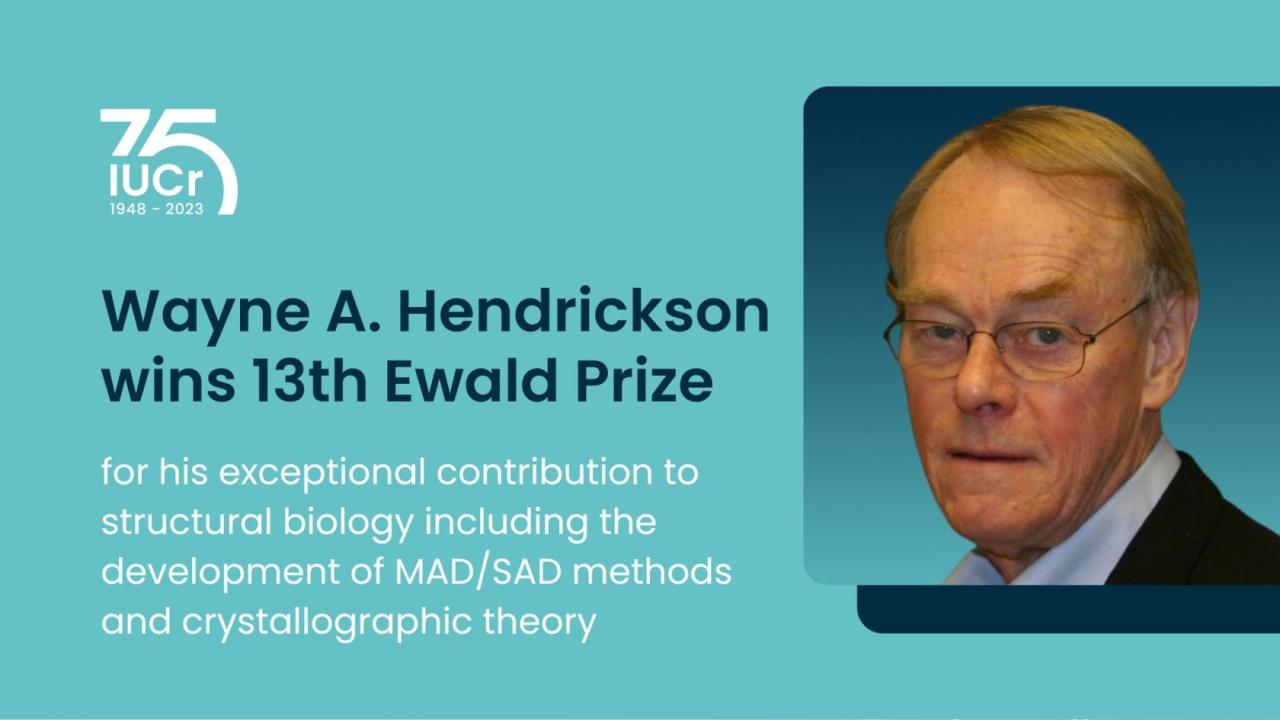
The IUCr awarded the 13th Ewald Prize to Wayne Hendrickson for developing MAD/SAD methods and crystalographic theory, transforming protein structure prediction via an explosion of solved structures.
- February 22, 2023
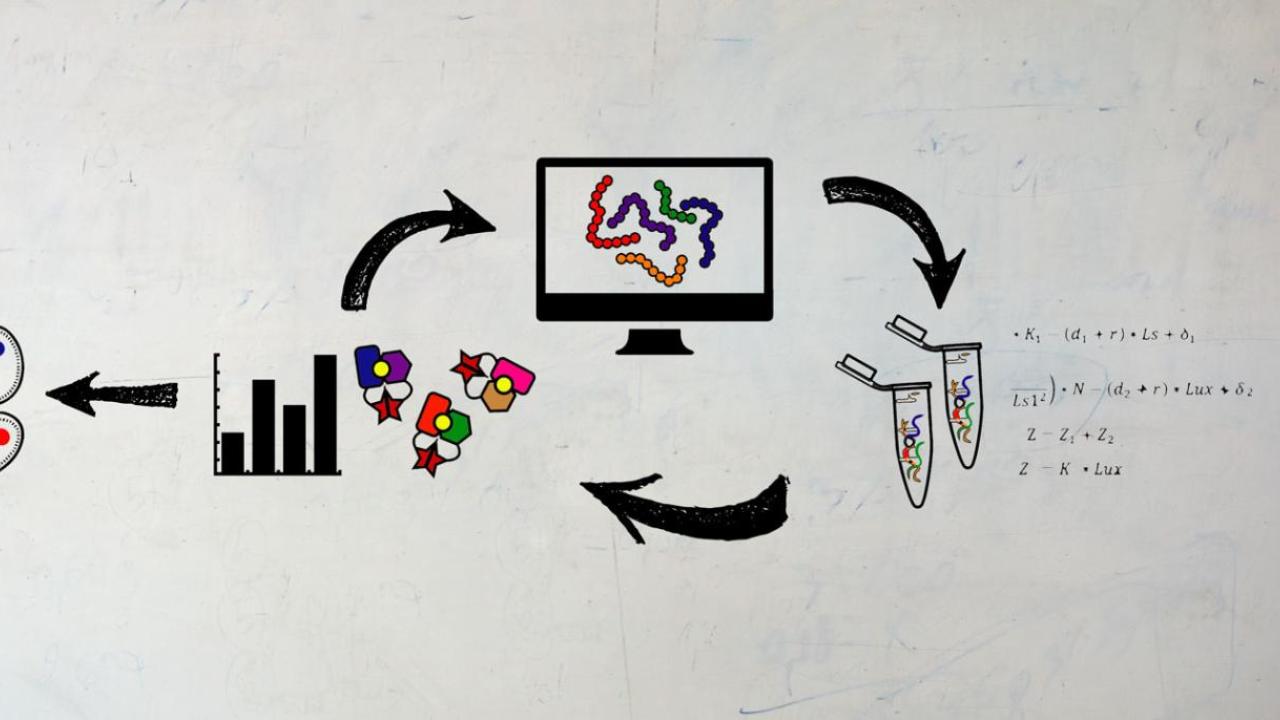
Dr. Glasgow shapes proteins for new tasks, democratizes science, teaches algebra to incarcerated students, and empowers excluded communities to tackle their problems from the bottom up.
Events
- Thursday, May 16, 20244:00 PM to 5:30 PM